Overview
Cross-Connection Control & Mandatory Water District Compliance
Potable water supply systems operate under positive pressure to deliver clean drinking water throughout Peninsula buildings. However, sudden pressure drops in the municipal main—caused by nearby water main breaks, heavy firefighting demand, or municipal pump failures—can generate negative pressure (backsiphonage), pulling non-potable water, chemicals, fertilizers, and stagnant boiler loop fluids backward into the public drinking supply. Conversely, high-pressure downstream equipment such as booster pumps or boilers can overcome street pressure (backpressure) and push contaminated fluids into potable lines without certified backflow prevention.
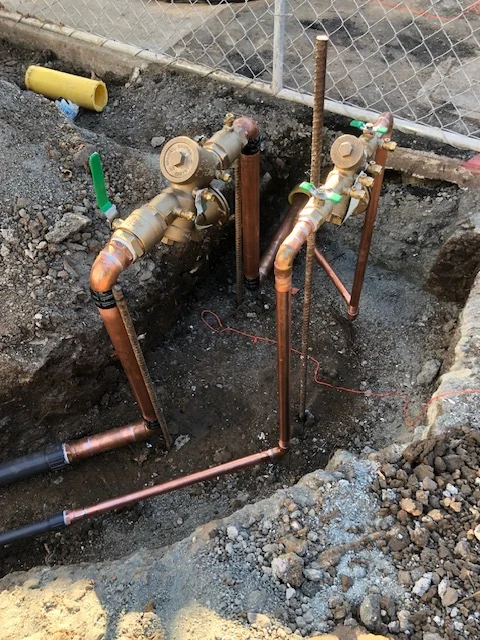
Under California Code of Regulations (Title 17) and municipal plumbing codes, commercial facilities, multi-family properties, irrigation systems, and industrial accounts are legally required to maintain approved backflow prevention assemblies and test them annually. Different hazard levels require specific mechanical devices: Reduced Pressure Principle (RP / RPZ) assemblies provide the highest level of protection against toxic substances by venting to atmosphere if either check valve fails, while Double Check Valve Assemblies (DC / DCDA) are standard on dedicated fire sprinkler lines and low-hazard systems. Over time, internal springs fatigue, rubber discs foul with silt and mineral scale, and shutoff valves seize.
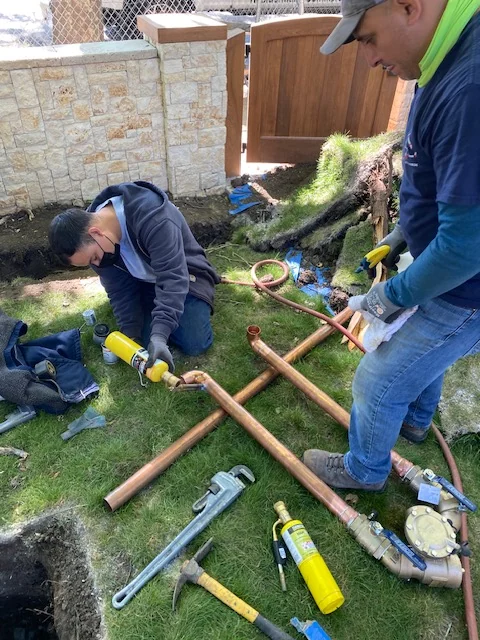
Daso Plumbing provides complete turnkey cross-connection compliance. Our certified backflow technicians arrive with calibrated, NIST-traceable differential pressure test kits to accurately record relief valve opening points and check valve held pressure. If an assembly fails, our service trucks carry OEM rebuild kits (Watts, Wilkins/Zurn, Febco, Conbraco) to perform immediate on-site rebuilds—reseating valves, replacing diaphragms, and retesting within the same visit. Once passed, we affix official inspection tags and submit electronic certification reports directly to your local water purveyor (Cal Water, SFPUC, San Jose Water, City of Palo Alto, or Mid-Peninsula) before notice deadlines expire.