What are the San Francisco requirements for seismic gas shutoff valves?
Under San Francisco Building Code Chapter 12A, an approved seismic earthquake gas shutoff valve must be installed on any building undergoing a commercial alteration, change of occupancy, or residential remodel exceeding $50,000 in valuation. The valve automatically halts gas flow if significant seismic ground motion occurs, protecting dense urban wooden structures from catastrophic fires.
How do you replace rotting cast iron stacks in occupied Victorian flats?
Replacing vertical stacks in multi-family Victorians requires careful staging to minimize disruption. We open small, strategic inspection access portals in vertical plumbing chases, secure the upper pipe with heavy-duty riser clamps to prevent collapse, remove deteriorated sections, and install new no-hub cast iron or sound-insulated piping. Water service is typically restored at the end of each work day.
Why is shower water pressure so weak on upper-floor flats?
Every 10 feet of vertical elevation drop reduces water pressure by roughly 4.33 PSI. In a three-story flat built on a steep hill like Pacific Heights or Nob Hill, municipal supply pressure can drop to 30 PSI or lower by the time it reaches the top bathroom. Installing a compact, variable-speed booster pump in the basement mechanically pressurizes the line, ensuring a steady, luxurious 55–65 PSI at every showerhead.
Does Daso Plumbing handle restaurant backflow testing and kitchen boilers in SF?
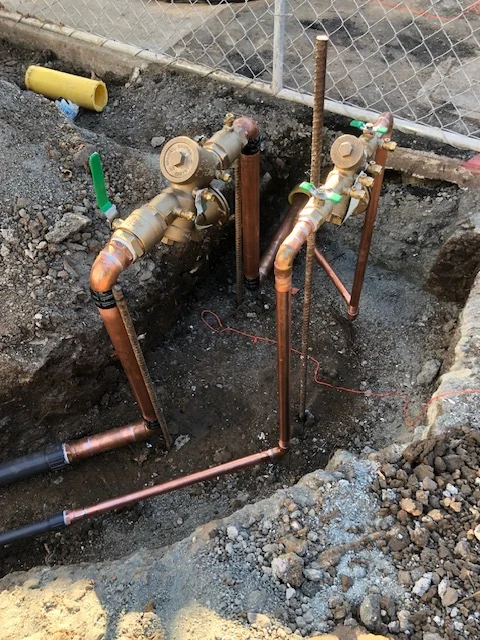
Yes. We provide certified annual backflow prevention assembly testing and reports directly to the San Francisco Public Utilities Commission (SFPUC). We also install commercial high-flow water softeners, grease trap connections, and multi-unit commercial boiler arrays across the city.